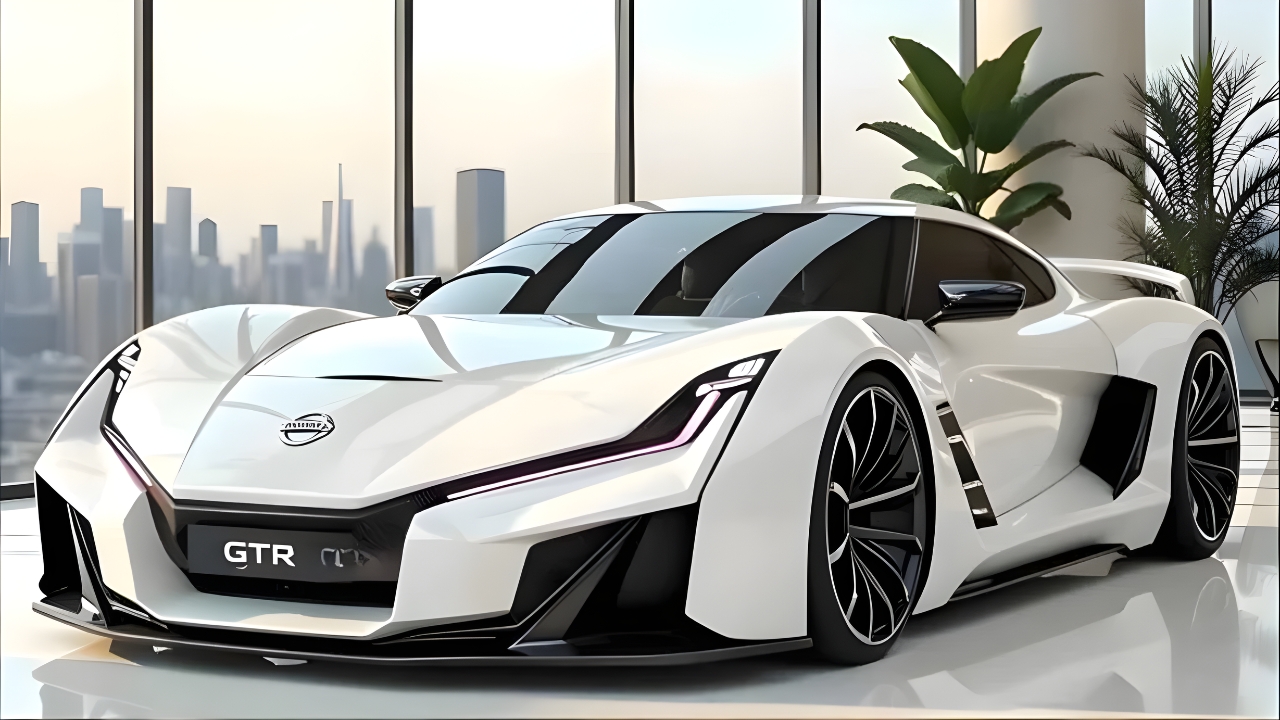
Few cars have disrupted the supercar hierarchy as dramatically as the Nissan GT-R. When it arrived in its modern form, it did more than introduce a fast coupe to the market. It challenged long-established European performance brands and forced the automotive world to rethink what defined a true supercar. Ferrari and Porsche had long dominated conversations around speed, prestige, and engineering excellence. Yet the GT-R entered the scene with a different philosophy, proving that technology, precision, and relentless development could rival tradition.
The GT-R’s story stretches back to its Skyline roots, where it first built a reputation as a motorsport powerhouse. Over time, the name evolved beyond a trim level into a standalone performance icon. By the time the modern GT-R emerged, expectations were high. What followed was a bold statement that redefined performance benchmarks.
Engineering with a Clear Mission
From its inception, the GT-R was engineered with a singular goal: deliver extraordinary performance at a price that undercut traditional European supercars. Nissan’s approach centered on advanced technology and meticulous craftsmanship. Each engine was hand-assembled by a master technician, reflecting a commitment to precision rarely associated with mass-production brands.
The twin-turbocharged V6 engine became the heart of the GT-R’s identity. Compact yet immensely powerful, it delivered acceleration figures that stunned critics. Coupled with an advanced all-wheel-drive system, the car achieved remarkable traction and stability. This combination allowed drivers to extract performance with confidence, even in less-than-perfect conditions.
While some supercars relied heavily on raw horsepower and dramatic design, the GT-R focused on engineering efficiency. Its dual-clutch transmission shifted rapidly and smoothly, maximizing power delivery. Every element of the drivetrain worked in harmony, creating a cohesive and formidable package.
A Giant Killer Emerges
When performance figures began circulating, comparisons with Ferrari and Porsche became inevitable. Acceleration times rivaled cars costing significantly more. On racetracks, the GT-R proved capable of challenging established legends. It was not merely competitive; it was disruptive.
What made the GT-R especially compelling was its accessibility. Drivers did not need years of track experience to appreciate its capabilities. The intelligent all-wheel-drive system distributed power precisely where it was needed. Stability control systems were tuned to enhance performance rather than restrict it. The result was a car that felt approachable yet brutally fast.
This blend of usability and performance earned the GT-R a nickname that reflected its impact. It became known as a machine that humbled more expensive rivals. Ferrari and Porsche owners suddenly faced competition from a brand many had underestimated.

Design That Balanced Function and Identity
The GT-R’s design philosophy differed from the exotic curves often associated with European supercars. Its lines were purposeful and aerodynamic, shaped by wind tunnel testing rather than stylistic excess. The wide stance, prominent rear haunches, and distinctive quad taillights created an instantly recognizable silhouette.
Air intakes and vents were positioned to optimize cooling and airflow. The design communicated strength and intent rather than flamboyance. This approach reinforced the car’s image as a precision instrument.
Inside, the cabin reflected the same practical mindset. Controls were arranged logically, allowing drivers to adjust suspension settings, transmission behavior, and stability modes easily. The layout prioritized clarity over ornamentation. While materials improved over successive updates, the core philosophy remained focused on performance.
Continuous Evolution and Improvement
One of the most impressive aspects of the GT-R’s legacy is its continuous refinement. Rather than introducing entirely new generations frequently, Nissan chose to enhance the platform year after year. Power output increased steadily. Suspension tuning improved. Interior materials were upgraded.
This commitment to evolution ensured that the GT-R remained competitive long after its initial launch. Each update addressed feedback from enthusiasts and professional drivers. The car matured without losing its aggressive character.
By refining rather than replacing, Nissan demonstrated confidence in its engineering foundation. The GT-R became a testament to the power of consistent development.
Technology as a Weapon
The GT-R’s success stemmed largely from its technological innovation. Advanced traction control systems, adaptive suspension components, and real-time performance monitoring gave drivers unprecedented insight into the car’s behavior. Digital displays provided information once reserved for race cars.
Unlike some rivals that relied on heritage and emotional appeal, the GT-R embraced a data-driven approach. Engineers analyzed performance metrics obsessively, seeking incremental gains in speed and handling. This focus on measurable improvement translated into impressive real-world results.
The all-wheel-drive system, in particular, became a defining feature. By continuously adjusting torque distribution, it enhanced both acceleration and cornering stability. Drivers experienced a sense of control that inspired confidence at high speeds.
Cultural Impact and Enthusiast Loyalty
Beyond performance statistics, the GT-R achieved cultural significance. It became a symbol of technological ambition and defiance. Enthusiasts admired its ability to challenge brands with decades of racing pedigree.
The car’s presence in motorsport, video games, and automotive media strengthened its reputation. Younger generations grew up associating the GT-R with cutting-edge speed. Tuning communities embraced the platform, pushing horsepower figures to extraordinary levels.
Despite its advanced systems, the GT-R maintained a raw and engaging personality. Drivers described a connection that felt mechanical yet precise. This emotional resonance ensured loyalty among fans who valued substance over prestige.
Challenging the Definition of a Supercar
The GT-R forced the automotive world to reconsider what defines a supercar. Is it price, heritage, exclusivity, or performance? By delivering world-class speed at a comparatively accessible cost, the GT-R blurred traditional boundaries.
Ferrari and Porsche responded with their own technological advancements, acknowledging the competitive pressure. In many ways, the GT-R elevated the entire segment. Its presence encouraged innovation across the industry.
Rather than imitating European rivals, the GT-R forged its own identity. It celebrated engineering ingenuity and relentless development. This authenticity contributed to its enduring appeal.
The Road Ahead for an Icon
As automotive technology evolves toward electrification and hybrid systems, the legacy of the GT-R faces new challenges. Performance expectations continue to rise, and environmental considerations shape future designs. Yet the spirit that defined the GT-R remains relevant.

Its willingness to challenge convention serves as a blueprint for future performance vehicles. Whether powered by combustion engines or electric motors, the philosophy of combining technology, precision, and accessibility will endure.
The GT-R’s story is not merely about lap times or horsepower figures. It is about reshaping perceptions and proving that excellence can emerge from unexpected places.
Final Verdict
The Nissan GT-R stands as one of the most influential performance cars of the modern era. By blending advanced technology with relentless engineering refinement, it challenged Ferrari and Porsche on their own terms.
Its combination of speed, usability, and continuous evolution redefined expectations within the supercar segment. More than a fast car, the GT-R became a symbol of innovation and determination. Its legacy endures as a reminder that performance is not dictated solely by tradition, but by vision and execution.
Disclaimer
This article reflects historical insights, industry perspectives, and general information about the Nissan GT-R. Specifications, performance figures, and comparisons may vary depending on model year and market conditions.
